

- Questo evento è passato.
Stefano Vitelli presenta “Il ragionevole dubbio di Garlasco”
19 Settembre @ 8:00 pm - 9:00 pm
Sabato 19 settembre Ore 20.00
Stefano Vitelli presenta:
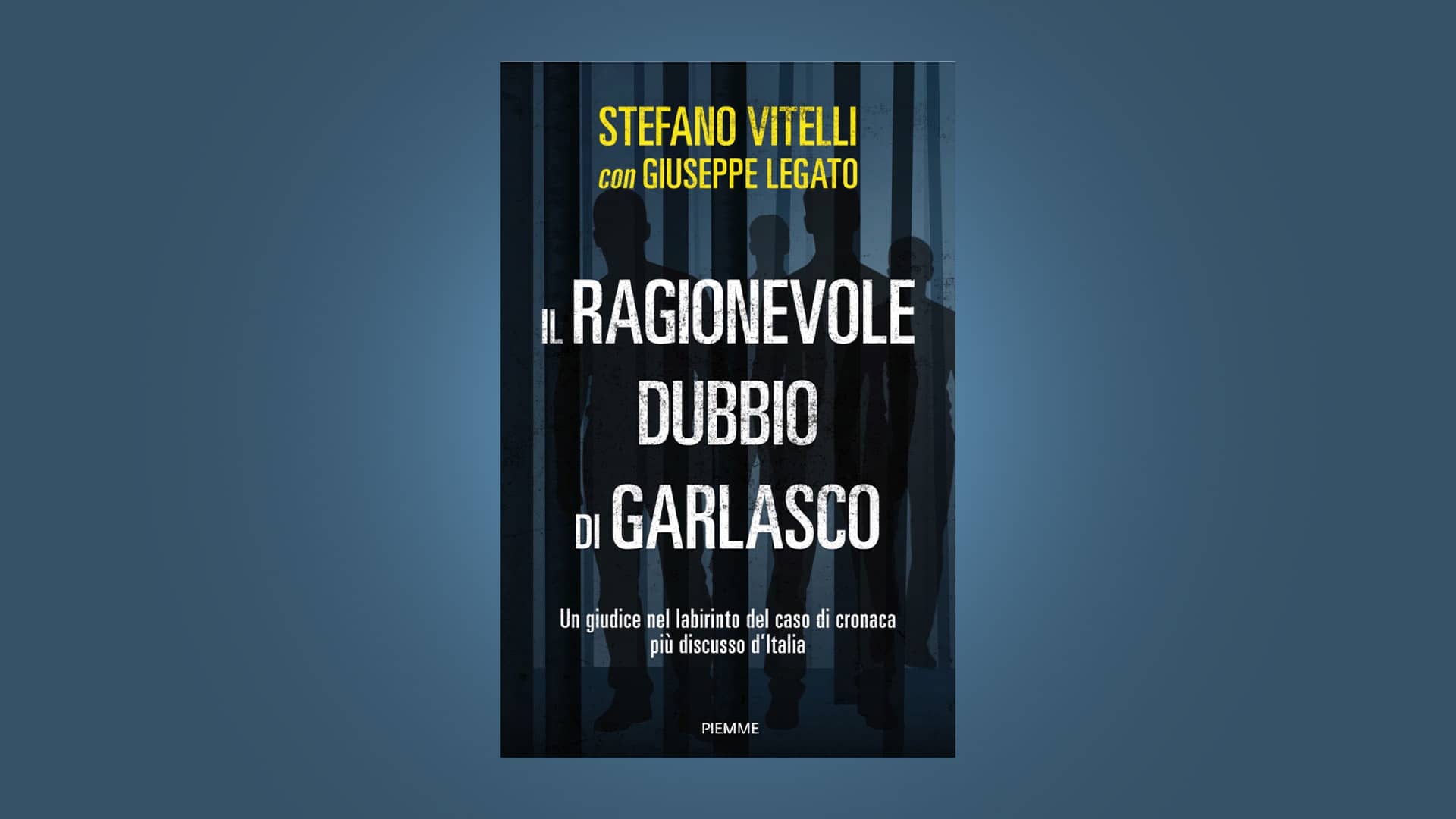
- “Il ragionevole dubbio di Garlasco” (Piemme 2026)
Dialoga con l’autore Giovanni Follesa (sarà presente l’interprete LIS Ilaria Furcas).
Il ragionevole dubbio di Garlasco (Piemme 2026)
Ci sono fatti di cronaca destinati a rimanere per sempre nell’immaginario collettivo, storie capaci di dividere l’opinione pubblica e toccare corde insospettate. Il caso Garlasco è uno di questi: un delitto che ha segnato il Paese, una storia giudiziaria solo apparentemente conclusa e che oggi torna con nuovi interrogativi e nuove ombre. Per anni l’unico indagato è Alberto Stasi, compagno della vittima, il «biondino dagli occhi di ghiaccio». Viene condannato a sedici anni di carcere, eppure manca il movente, le testimonianze vanno in un’altra direzione, il suo alibi viene accertato. Si può dire che sia colpevole oltre ogni ragionevole dubbio? La risposta è no. Da qui parte il racconto di Stefano Vitelli, il magistrato che nel 2009 assolse Stasi in primo grado, in un libro che ripercorre – umanamente e giudiziariamente, con elementi del processo mai raccontati al grande pubblico – tutta la vicenda: dalla telefonata al 118 alle analisi informatiche compromesse, dalle macchie di sangue alle nuove perizie che riscrivono ciò che si credeva acquisito, fino al movente fantasma e all’assunto per cui «meglio un colpevole fuori che un innocente dentro». Dubbi, verifiche, domande senza risposta, ma anche la responsabilità di chi deve giudicare sapendo che non si può scommettere sulla colpevolezza dell’imputato: la posta in gioco è troppo alta, un errore simile potrebbe segnare per sempre la vita di un innocente. Una narrazione immersiva, che dal caso di cronaca più discusso di sempre si apre a una riflessione universale sul potere, la conoscenza e il limite umano.
L’autore: Stefano Vitelli
Nato nel 1974, consegue nel 1998 la Laurea Magistrale in Giurisprudenza presso l’Università di Pisa discutendo una tesi in diritto penale dal titolo “La scriminante dell’ordine del superiore nel diritto penale” conseguendo il massimo dei voti. Nell’anno 2000, vinto il concorso nazionale per l’accesso alla Magistratura, intraprende l’uditorato giudiziario presso la Corte di Appello di Firenze. Dall’anno 2003 sino al 2008 ha ricoperto il ruolo di Giudice di primo grado civile e penale presso il Tribunale di Vercelli con una parentesi semestrale per applicazione extradistrettuale presso il Tribunale del Riesame di Perugia. Dall’anno 2008 sino al 2012 ha ricoperto funzione di GIP/GUP presso il Tribunale di Vigevano redigendo come Giudice di primo grado la sentenza nei confronti di Stasi Alberto (c.d. caso di Garlasco). Dal 2012 è in servizio con funzione di GIP/GUP presso il Tribunale di Torino con una parentesi trimestrale di applicazione presso la Sezione Penale della Corte di Appello di Torino. Ha partecipato in qualità di relatore a diversi seminari e lezioni tra cui quello dal titolo “Il libero convincimento del Giudice e l’oltre ogni ragionevole dubbio” presso l’Università Tor Vergata di Roma (2012).
Saturday 19 September at 8.00 pm
Stefano Vitelli presents:
- “Il ragionevole dubbio di Garlasco” (Piemme 2026)
In conversation with the author: Giovanni Follesa (LIS interpreter Ilaria Furcas will be present).
Il ragionevole dubbio di Garlasco (Piemme 2026)
There are news stories destined to remain forever in the collective imagination, stories capable of dividing public opinion and touching unexpected chords. The Garlasco case is one of them: a crime that marked the country, a judicial case that only apparently came to an end and that today returns with new questions and new shadows. For years, the only suspect has been Alberto Stasi, the victim’s partner, the “blond man with ice-blue eyes”. He is sentenced to sixteen years in prison, yet there is no motive, the testimonies point in another direction, and his alibi is confirmed. Can he be said to be guilty beyond all reasonable doubt? The answer is no. This is where Stefano Vitelli’s account begins, the magistrate who acquitted Stasi at first instance in 2009, in a book that retraces the entire story – both from a human and judicial perspective, with elements of the trial never revealed to the general public – from the call to 118 to compromised computer analyses, from bloodstains to new expert assessments that rewrite what was believed to have been established, all the way to the phantom motive and the principle that “better a guilty person outside than an innocent person inside”. Doubts, investigations, unanswered questions, but also the responsibility of those who must pass judgment knowing that one cannot gamble on the defendant’s guilt: the stakes are too high, and such a mistake could permanently mark the life of an innocent person. An immersive narrative that, starting from the most widely discussed crime story of all time, opens onto a universal reflection on power, knowledge, and human limitations.
The author: Stefano Vitelli
Born in 1974, in 1998 he obtained a Master’s Degree in Law from the University of Pisa, presenting a thesis in criminal law entitled “La scriminante dell’ordine del superiore nel diritto penale” and graduating with the highest honours. In 2000, after passing the national competitive examination for entry into the judiciary, he began his judicial training at the Florence Court of Appeal. From 2003 to 2008, he served as a civil and criminal first-instance judge at the Court of Vercelli, with a six-month period on secondment outside his district at the Review Court of Perugia. From 2008 to 2012, he served as GIP/GUP (preliminary investigations and preliminary hearing judge) at the Court of Vigevano, where, as a first-instance judge, he drafted the judgment concerning Stasi Alberto (the so-called Garlasco case). Since 2012, he has served as GIP/GUP at the Court of Turin, with a three-month period on assignment to the Criminal Section of the Turin Court of Appeal. He has participated as a speaker in various seminars and lectures, including one entitled “Il libero convincimento del Giudice e l’oltre ogni ragionevole dubbio” at the University of Rome Tor Vergata (2012).